

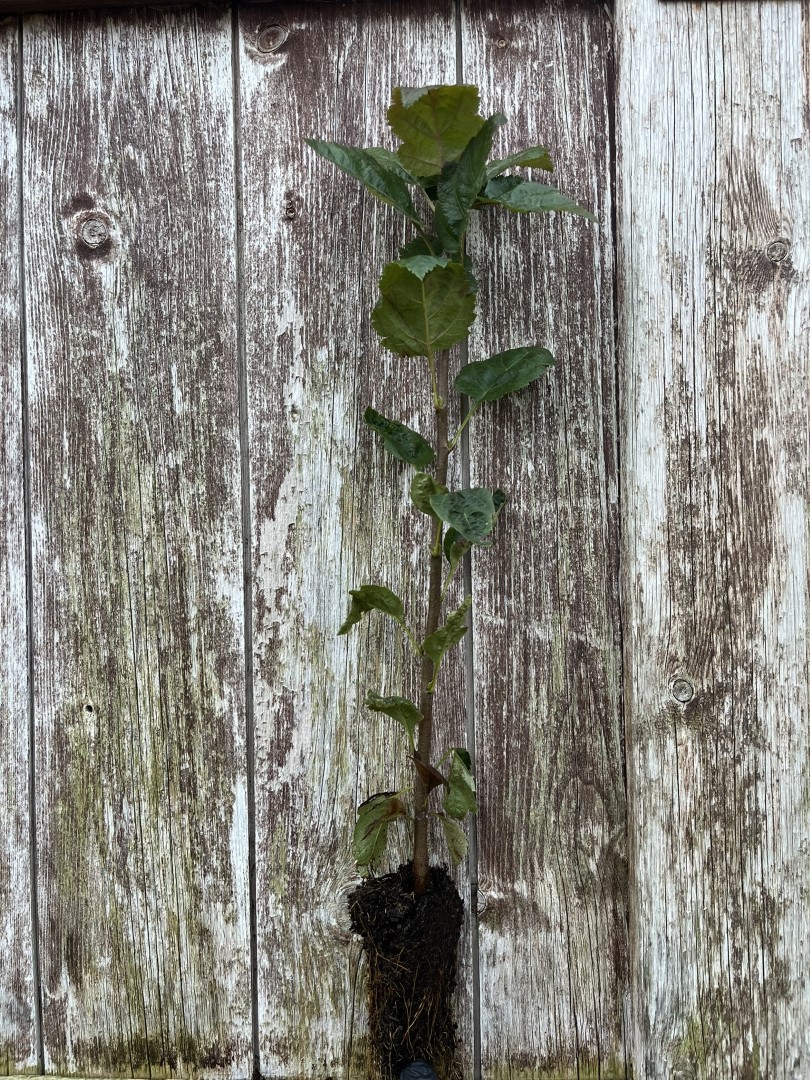
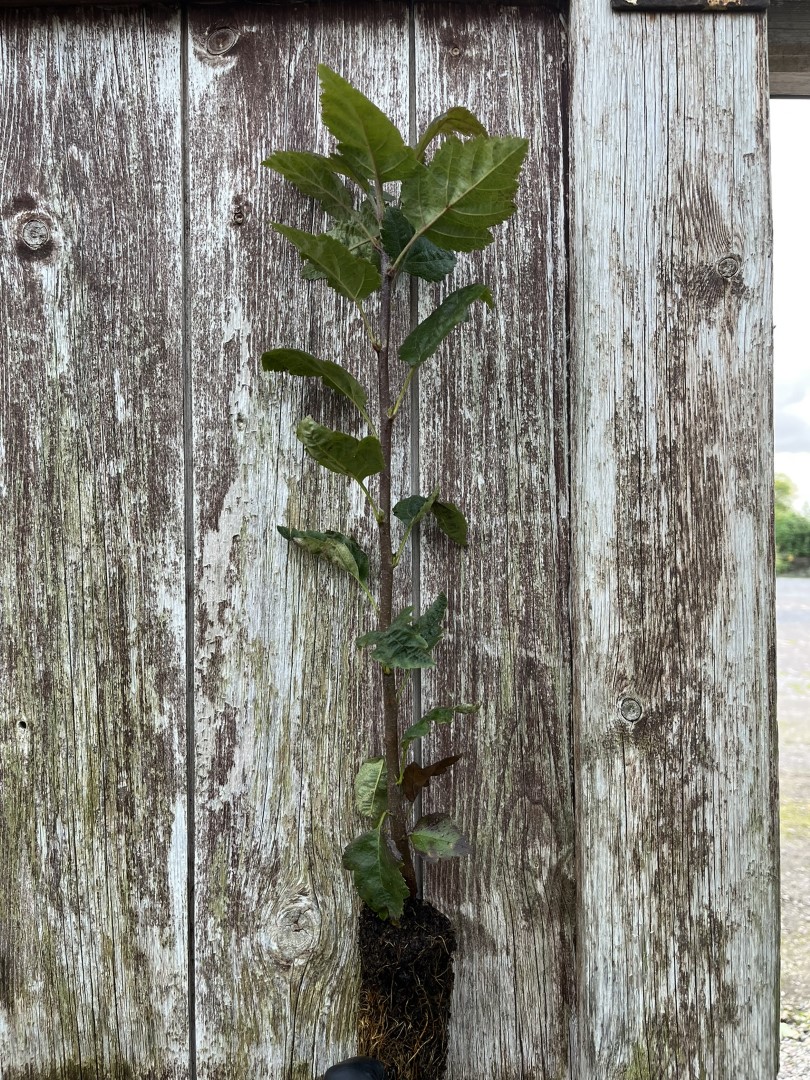
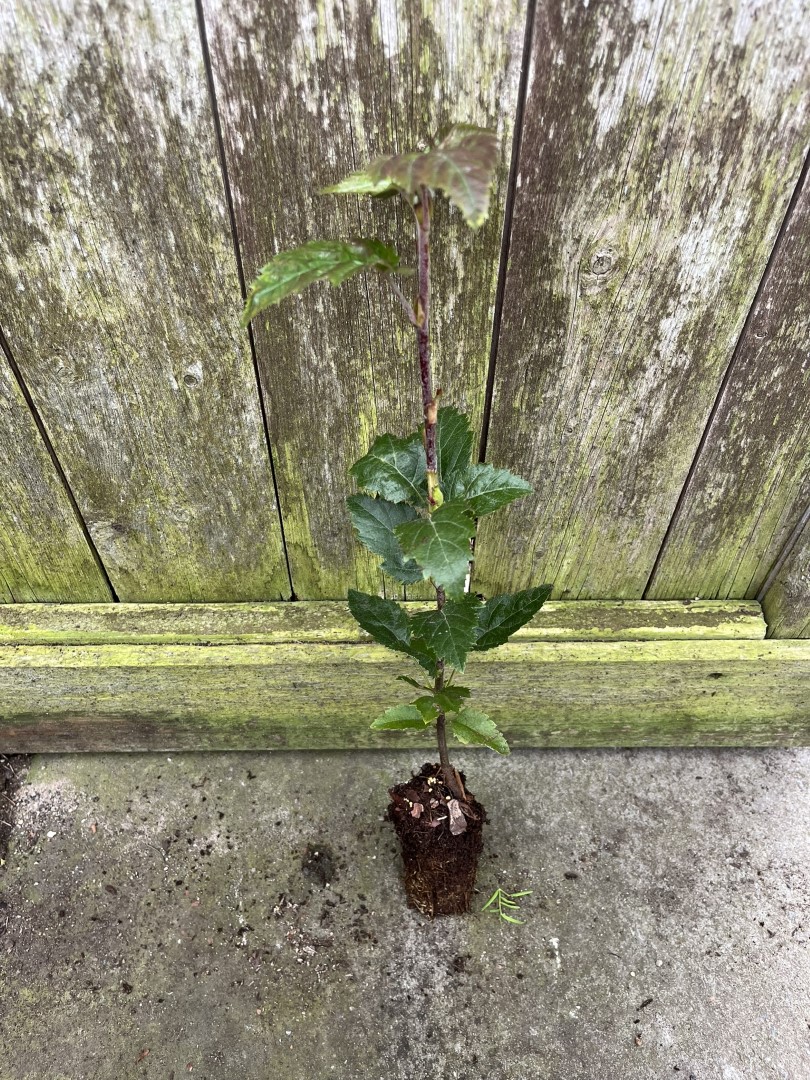

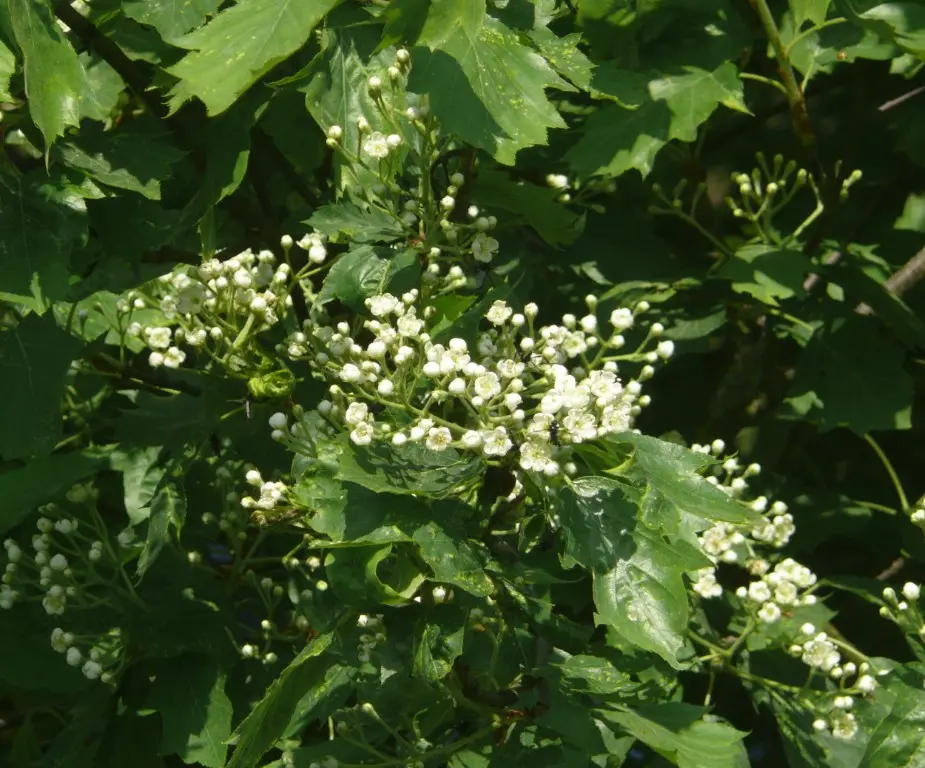
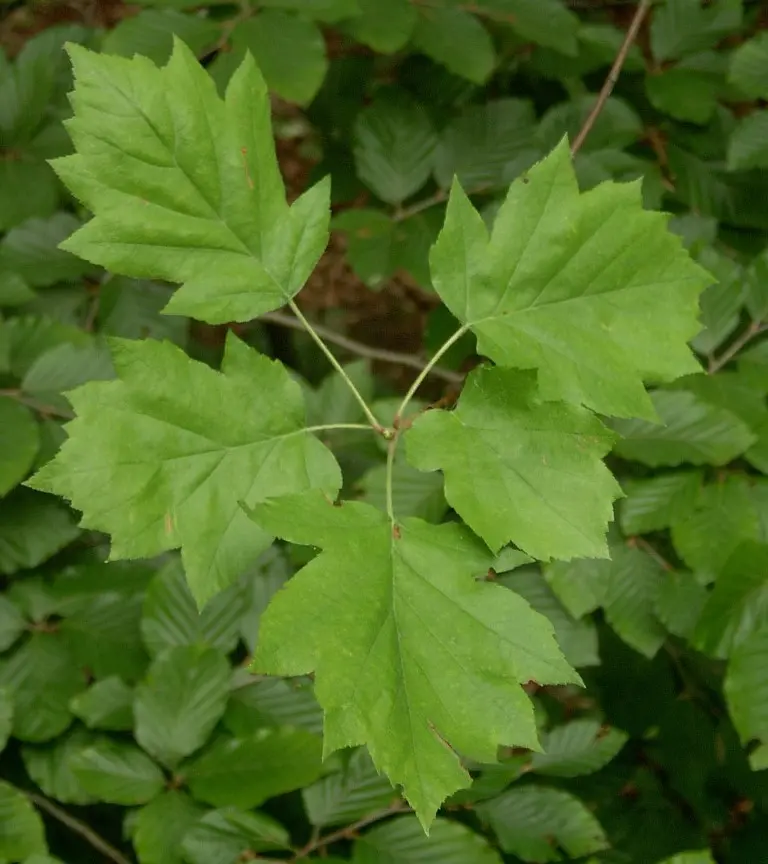
Wild Service Tree 20/40cm (Cell)
Sorbus torminalis
£12.89
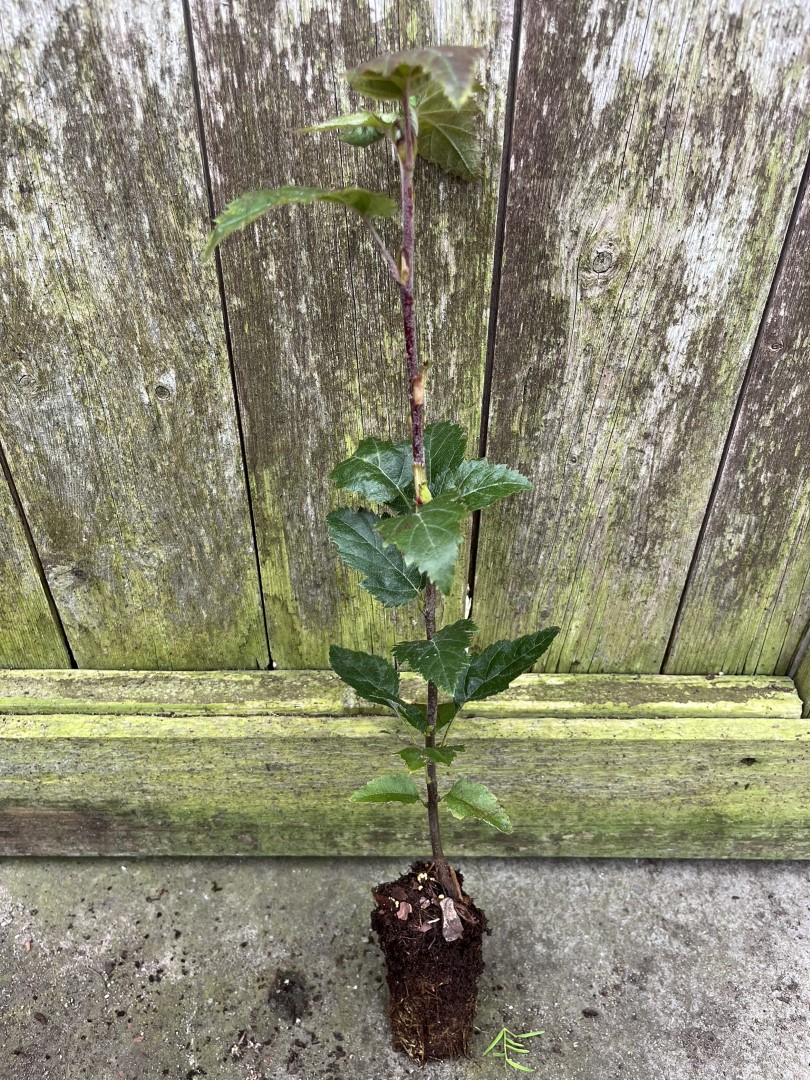
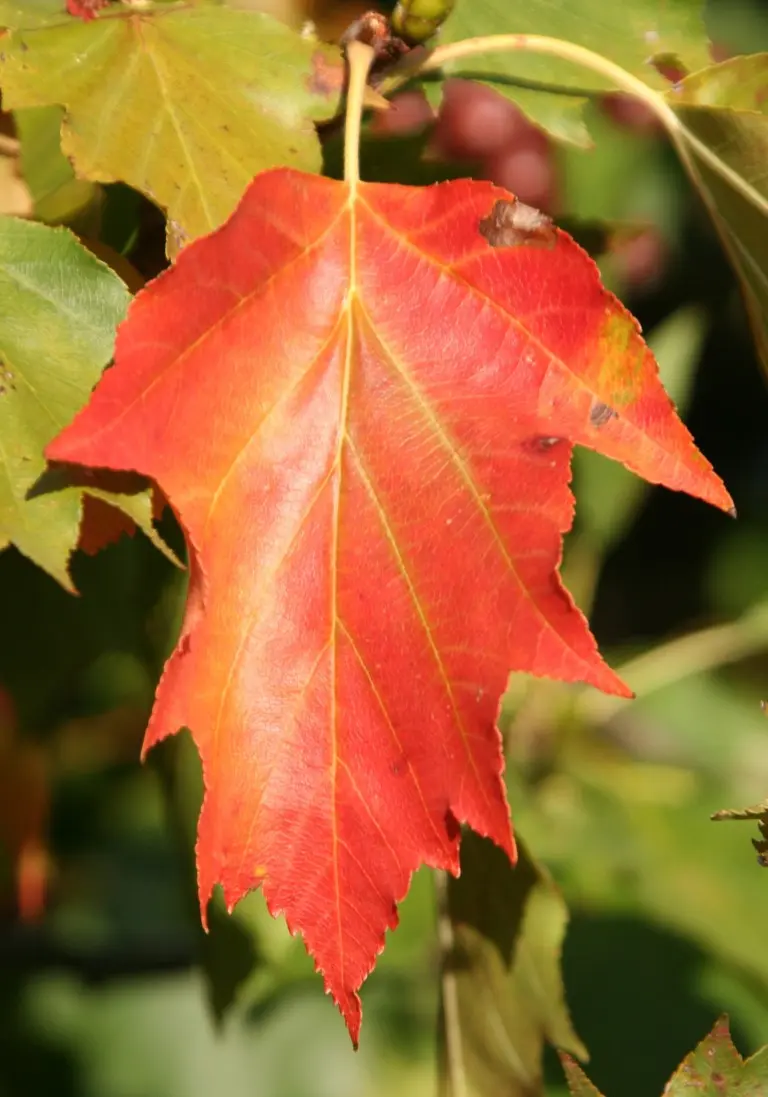
The wild service tree – Sorbus torminalis is Britain’s native autumn spectacular. Maple-like leaves turn brilliant orange-red while chequered bark adds winter interest. This 15-20 metre tree supports wildlife and thrives in any soil.
- ✓ Native British wild service tree (Sorbus torminalis) with spectacular autumn colours - maple-like leaves transform to brilliant oranges, reds and purples creating displays rivalling any exotic species
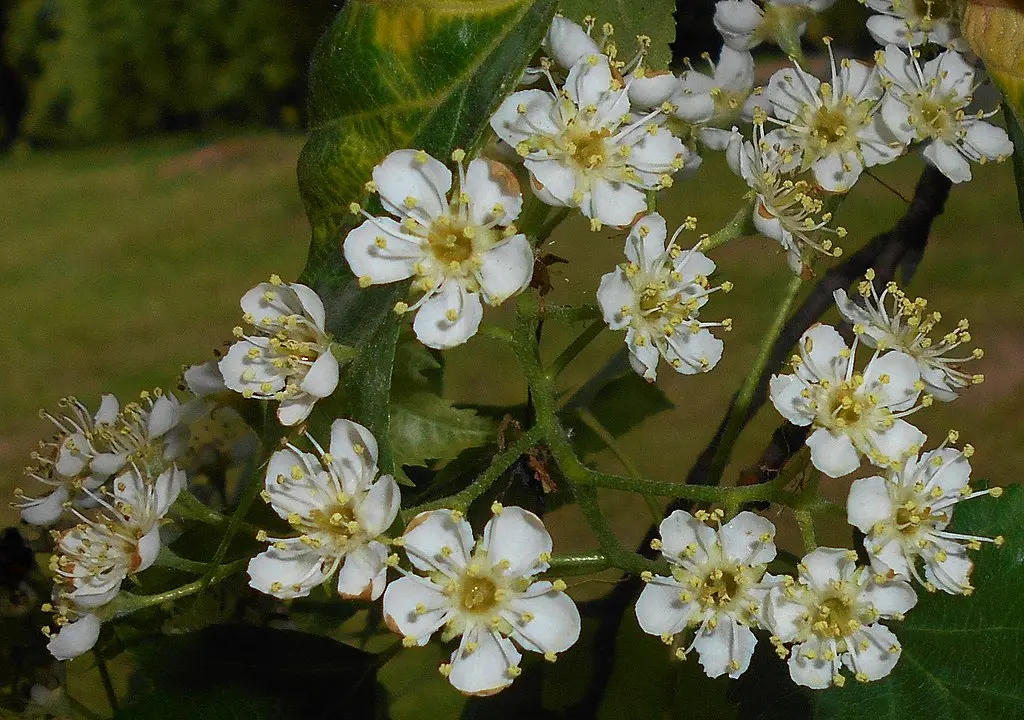
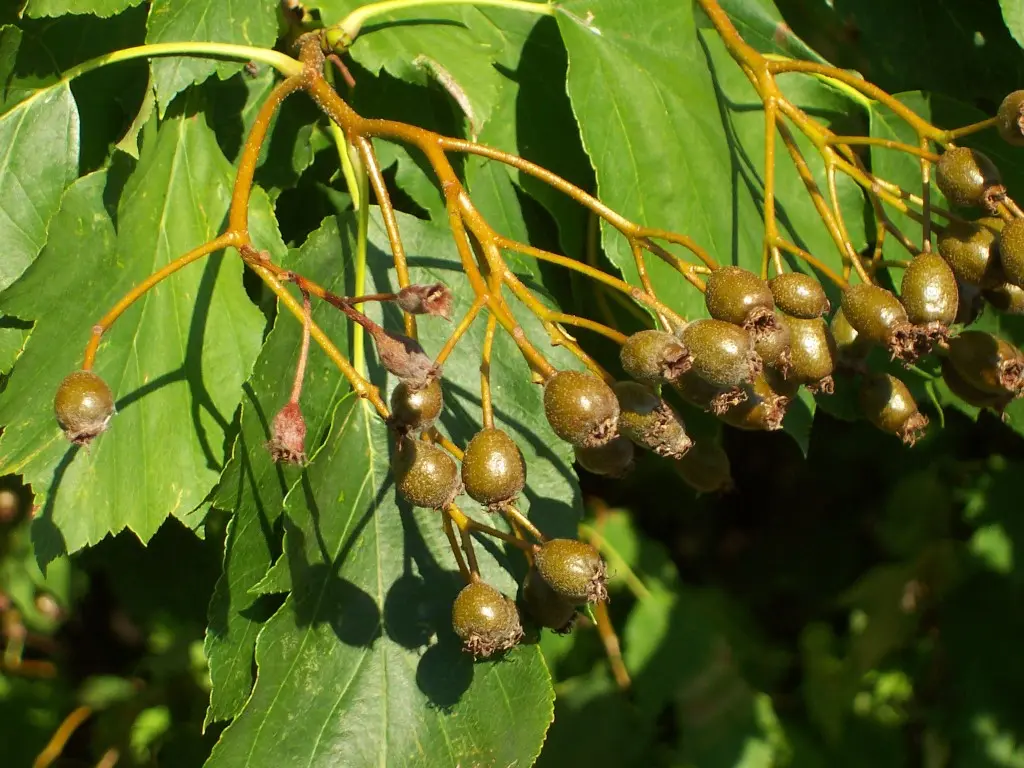
- ✓ Important conservation tree becoming rare in ancient woodlands - reaches 15-20m with rounded crown, creamy-white May flowers for pollinators followed by 'chequer' fruits loved by birds
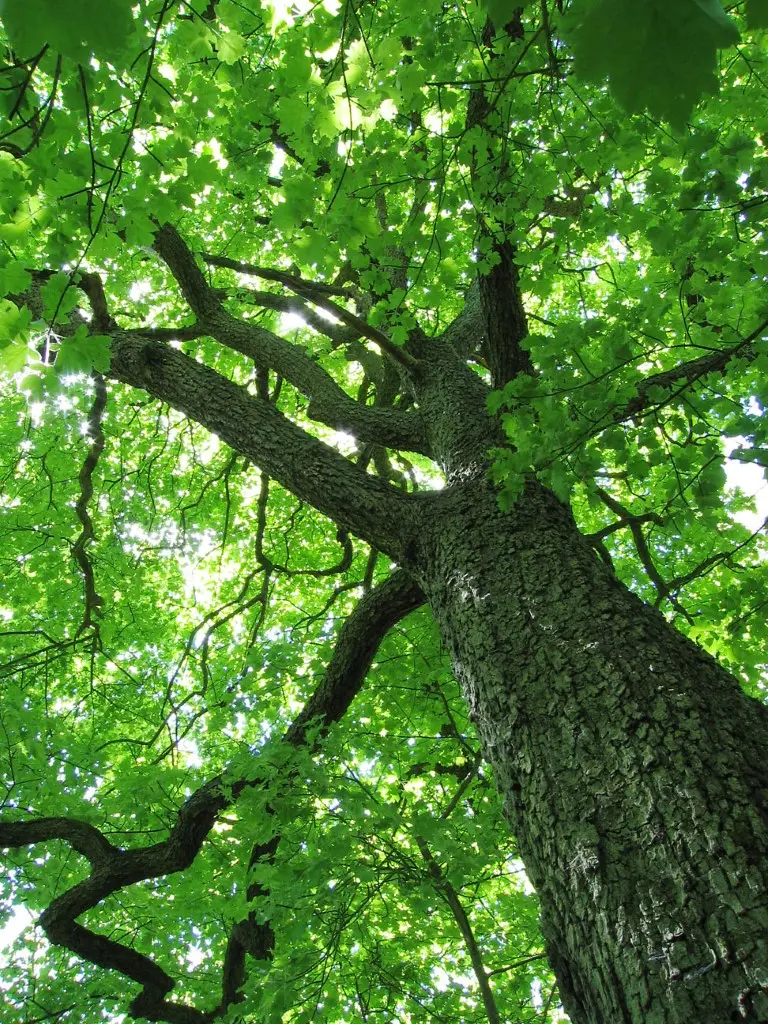
- ✓ Thrives in any soil including heavy clay and chalk - extremely adaptable native tolerating drought once established with distinctive chequered bark pattern developing on mature trees for winter interest
- ✓ Perfect wildlife and heritage tree for British gardens - connects to woodland history while supporting biodiversity, includes full planting guide for this low-maintenance native specimen tree
- ✓ Quality UK grown stock from Yarrow Gardens - DEFRA Registered Supplier
Out of stock at the moment.
Join the waitlist to be notified.
Also available in other sizes
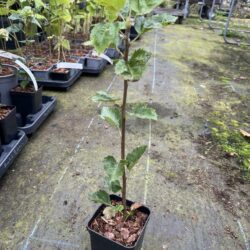 | Wild Service Tree 40/60cm (P9T) | £16.49 |
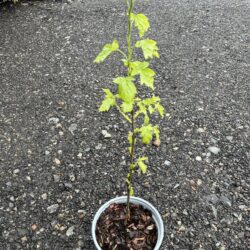 | Wild Service Tree 20/40cm (2L) | £21.95 |
The Wild Service tree – Sorbus torminalis is Britain’s most overlooked native treasure, offering spectacular autumn colour that rivals any exotic import. This elegant deciduous tree develops distinctive maple-like leaves with pointed lobes that transform into a breathtaking display of oranges, reds and purples each autumn. In May, clusters of creamy-white flowers cover the branches, attracting masses of pollinating insects. These are followed by brown, speckled fruits called ‘chequers’ that were once used to flavour beer. The attractive grey bark develops a distinctive chequered pattern with age, adding winter interest.
Growing wild service trees helps preserve an important part of Britain’s natural heritage. Once common in ancient woodlands, this species has become increasingly rare. The tree reaches 15-20 metres with a broad, rounded crown that provides excellent shade. Young trees grow steadily, developing strong, straight trunks. The timber is incredibly hard and fine-grained, historically prized for making precision instruments. In gardens, it makes a superb specimen tree that connects us to our woodland heritage while providing year-round interest.
This adaptable native thrives across Britain, tolerating heavy clay soils that defeat many trees. It grows naturally on woodland edges and in hedgerows, making it perfect for wildlife gardens. Birds feast on the autumn fruits, while the spring flowers support numerous pollinators. The dense summer canopy provides nesting sites and shelter. Wild service trees work brilliantly in mixed native plantings or as standalone specimens. They’re particularly valuable for creating wildlife corridors and enhancing biodiversity. For gardeners wanting a truly British tree with exceptional beauty and ecological value, nothing surpasses the wild service tree.
Plant wild service trees in any reasonable garden soil. They tolerate heavy clay, chalk and everything in between, though they prefer slightly alkaline conditions. Choose a sunny or partially shaded position with space for the mature crown. Young trees benefit from staking for the first 2-3 years. Water during dry spells in the first two growing seasons while roots establish. Once settled, they’re remarkably drought-tolerant. No regular feeding needed – these tough natives thrive without pampering. Pruning is rarely required except to remove damaged branches or raise the crown. The tree naturally develops good shape. Wild service trees show excellent disease resistance, rarely troubled by pests. Mulch young trees to suppress weeds and retain moisture. Protect from rabbits and deer when small.
Ultimate height
Higher than 12 metres
Time to ultimate height
20–50 years
Ultimate spread
Wider than 8 metres
Season of Interest
Spring, Summer, Autumn
Sunlight
Full Sun, Partial Shade, Partial Sun
Pot Size
Cell
Foliage
Deciduous
Foliage Colour
Green
Hardiness
-20°C to -15°C (H6)
When MatureSafety
Child Safe, Pet Safe
Watering
Moderate
Preferred Soil Type
Any well drained soil
Preferred Soil pH
Neutral
Our deep cell trays are a smart strategy for cultivating trees with strong and deep root systems. This leads to healthier and more resilient trees that are better prepared for transplantation and long-term growth in your garden.
Extended Planting Season
Cell grown trees offer a significantly broader planting window, allowing for planting almost year-round in certain conditions. This flexibility ensures easier scheduling and enhances tree establishment due to warmer soil and more favourable weather conditions, extending beyond the traditional planting season.
Robust Root System
The roots of cell grown trees are encased and safeguarded within compost, preventing the young fibrous roots from drying out or sustaining damage. This intact root system, with its uniform and manageable shape, facilitates straightforward planting.
Convenient Storage
These trees can be effortlessly stored outdoors before planting, eliminating the need for labour-intensive temporary planting (heeling in) or costly refrigerated storage.
Ease of Handling and Planting
The extended shelf life of cell grown trees means there’s no immediate urgency to plant. Their user-friendly root system increases the likelihood of successful planting. These characteristics make them ideal for planting by novices or volunteers.
High Survival Rate
The intact root system of cell grown trees significantly boosts their chances of successful establishment, virtually removing the need for expensive replanting (beating up).
Cost-Effectiveness
While the initial purchase price of cell grown trees may be slightly higher than bare-root stock for some species, the long-term savings achieved by reducing the need for replacing failed transplants than compensates for the initial minor cost difference.
No plastic waste
Trees are often supplied plastic pots that are difficult to recycle, especially the black pots. We rely on our customers to reuse these where possible, however these cell grown trees do not have plastic pots – saving any reuse & recycling concerns.
Delivery
Yarrow Gardens aim to have your order with you in fastest time possible and safest method of transport. Dependent on the parcel size and geographical destination in mind with will select the most suitable courier.
You are welcome to collect any times from our nursery in Euxton, Lancashire. Please contact us to arrange a suitable date and time.
With regret, we can no longer send items out to Northern Ireland. All live plants need a phytosanitary checks and DAERA must be notified. This process is simply too expensive at the moment.
Returns
In the rare instance that your item has been damaged during delivery or incorrectly shipped by us, please contact us and we will be happy to discuss the return and replacement of your item.
Once you have contacted us and we have confirmation that your parcel is on its way back to us we will be happy to issue a refund for the return postage.
| Delivery Class | Delivery Cost | |
|---|---|---|
| Royal Mail Letter - Royal Mail Tracked | £3.25 (Flat) | |
| Royal Mail Letter - Royal Mail Second Class | £1.32 (Flat) | |
| Royal Mail Large Letter - Royal Mail Tracked | £3.25 (Flat) | |
| Royal Mail Large Letter - Royal Mail Second Class | £2.10 (Flat) | |
| Standard Items - Standard Courier (APC) | £10.74 (Flat) | This item |
| Standard Items - Standard Courier (Evri) | £5.99 (Flat) | This item |
| Medium Items - Standard Courier (APC) | £11.94 (Flat) | |
| Large Items - Pallet Courier | £114.00 (Flat) | |
| Large Items - Standard Courier (APC) | £25.14 (Flat) | |
| Pallet Courier - Pallet Courier | £114.00 (Flat) |
We are a small family business based in Euxton, West Lancashire. We specialise in the supply of trees, shrubs both bare root & cell grown. Much of our stock is grown directly on site from seed or cuttings. Other stock is all UK sourced where possible.
We adhere to industry leading biosecurity measures, this ensures that our nursery remains clean and disease free.
We are DEFRA registered and our nursery is regularly inspected to confirm compliance with all current plant and plant health regulations.
Our Plant Passport Registration Number is GB140010
You can view our Plant Healthy report here.
We are actively working towards the Grown in Britain certification along with the Plant Healthy certification.
Should you have any concern or question in respect of our plant health matters, please get in touch.
Also available...

Wild Service Tree 40/60cm (P9T)
Sorbus torminalis

Wild Service Tree 20/40cm (2L)
Sorbus torminalis

Indian Bean Tree 60/80cm (2L)